

How biotech cleaning works: beneficial bacteria and enzymes, explained
Bio-based cleaners do not just wipe soil away, they keep breaking it down. Here is how beneficial bacteria and enzymes actually clean, in plain language.
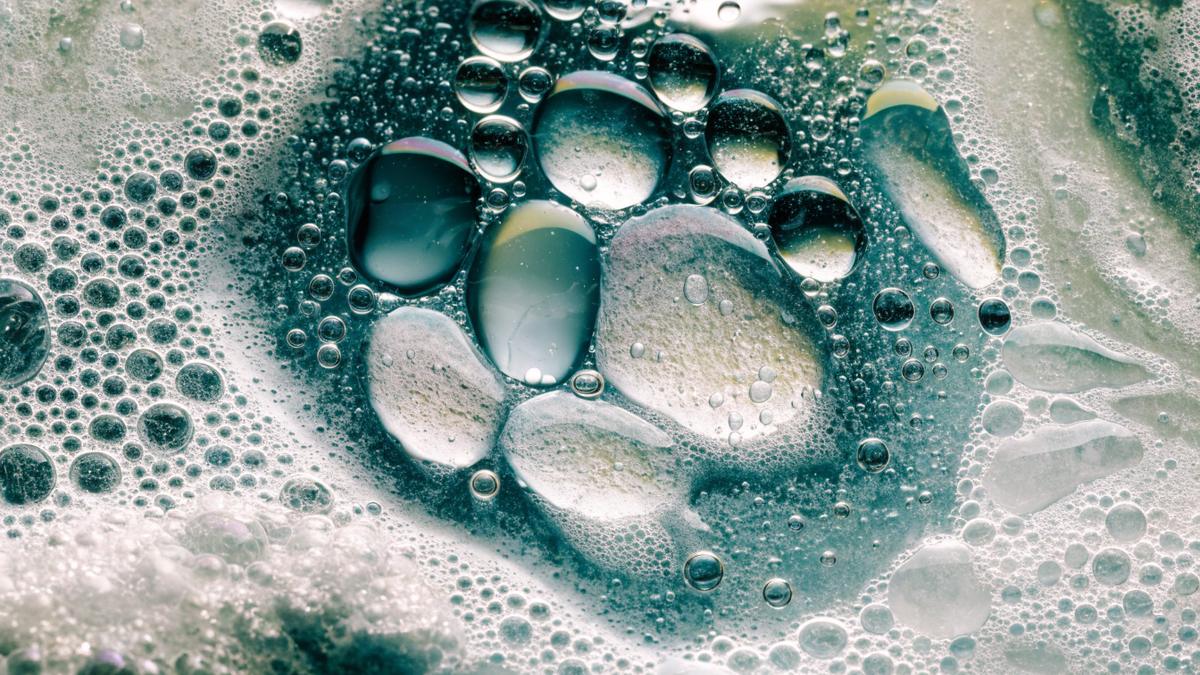
Most cleaners are surfactants: they loosen soil so you can wipe it away, and that is the end of it. Bio-based cleaning adds a second mechanism that keeps working after the cloth has moved on. Here is what is actually happening, without the jargon.
Enzymes: molecular scissors
Enzymes are proteins that cut large, stubborn molecules into smaller, water-soluble pieces that rinse away easily. Different enzymes target different soils: lipases break down fats and grease, proteases break down proteins, and amylases break down starches. That is why enzyme-based cleaners are so effective on organic messes, kitchen grease, food residue, and biological soil.
Beneficial bacteria: the long game
Bacteria-based products seed a surface or a drain with beneficial microbes that keep digesting organic residue for hours after application, reaching into pores, grout, and cracks that a quick wipe never touches. This is why they shine in drains, washrooms, and other places where residue builds up out of sight.
Why "removes odour at the source" is more than a slogan
Most bad smells come from organic residue that feeds odour-causing bacteria. Masking fragrances cover the smell; breaking down the residue removes the food source, so the odour does not simply return when the perfume fades. That is the principle behind our bio-based cleaning.
Where biotech fits, and where it does not
Bio-based products are excellent daily cleaners, but they are cleaners, not disinfectants. When a task needs a documented kill claim, reach for a registered disinfectant instead. If that distinction is fuzzy, our primer on cleaning versus disinfecting walks through it, and you can browse our DIN-registered disinfectants when a kill claim is required.
Want to go deeper on the science, or put it to work? Read why biotech cleaning works, or shop our bio-based cleaners.
Keep reading
Related articles
Cleaning vs. disinfecting vs. sanitizing: what facilities actually need
The three terms get used interchangeably, but they do different jobs, and in Canada the difference is partly a regulatory one. Here is what facilities need to know.
The real cost-per-use of cleaning concentrates: a procurement math guide
Sticker price is the wrong number. Here is how to calculate the true cost per use of a concentrate, and why it usually wins on both budget and waste.
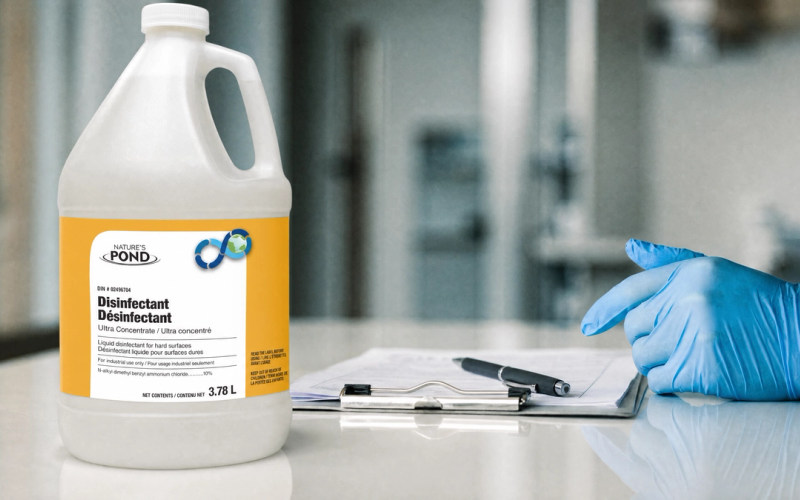
What a Health Canada DIN means for your disinfectant
A DIN is not a marketing badge, it is proof a disinfectant was assessed by Health Canada. Here is what it covers and how to check one.
Put this into practice
Explore the bio-based range trusted across Canadian facilities, or talk to our team about the right products for your space.