

The real cost-per-use of cleaning concentrates: a procurement math guide
Sticker price is the wrong number. Here is how to calculate the true cost per use of a concentrate, and why it usually wins on both budget and waste.
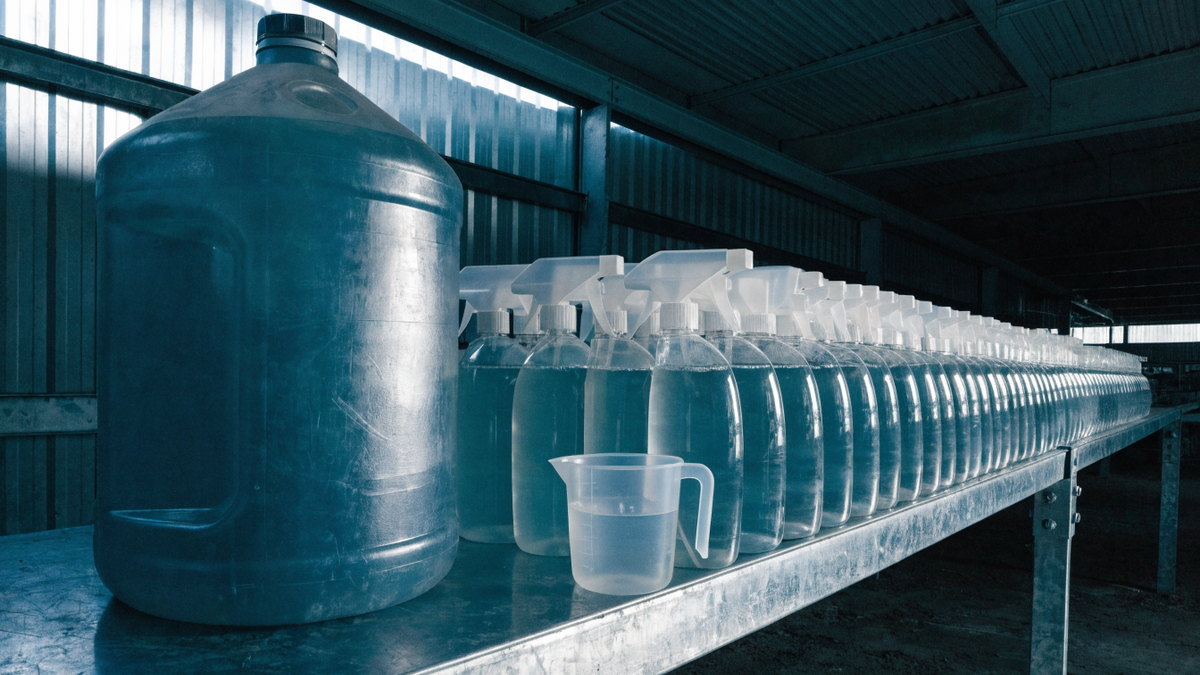
Two cleaners can carry the same shelf price and have wildly different real costs. With concentrates, the number that matters for a budget is cost per ready-to-use litre, or per task, not cost per bottle. Get that number right and the comparison usually changes.
The simple formula
Cost per ready-to-use litre = price of the concentrate divided by the litres of usable solution it makes at label dilution. A concentrate with a higher bottle price often makes many litres of working solution, which drops the per-use cost well below a pre-mixed, ready-to-use product.
- Find the label dilution ratio (for example, 1:64).
- Multiply the concentrate volume by the ratio to get litres of ready-to-use solution.
- Divide the price by those litres. That is your true cost per use.
The costs people forget
- Freight: with ready-to-use products you are paying to ship water. Concentrates cut shipping weight and the emissions that come with it.
- Storage: far less shelf space per litre of cleaning you actually do.
- Plastic and disposal: fewer bottles to buy, handle, and throw away.
- Consistency: controlled dilution reduces the waste that comes from staff over-pouring.
Build the comparison into your tender
When you go to tender, ask every vendor for cost per ready-to-use litre at label dilution rather than bottle price. It is the only way to compare like for like. We dig into the trade-offs in concentrates versus ready-to-use, and our wholesale team can run the numbers for your sites.
Cost per use drops even further when you standardize on fewer SKUs. Fewer products, bought in volume, used correctly.
Keep reading
Related articles
Cleaning vs. disinfecting vs. sanitizing: what facilities actually need
The three terms get used interchangeably, but they do different jobs, and in Canada the difference is partly a regulatory one. Here is what facilities need to know.
How biotech cleaning works: beneficial bacteria and enzymes, explained
Bio-based cleaners do not just wipe soil away, they keep breaking it down. Here is how beneficial bacteria and enzymes actually clean, in plain language.
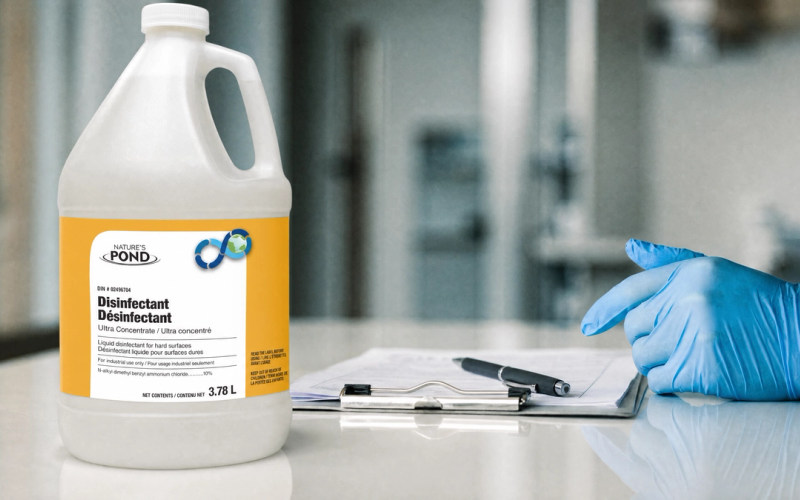
What a Health Canada DIN means for your disinfectant
A DIN is not a marketing badge, it is proof a disinfectant was assessed by Health Canada. Here is what it covers and how to check one.
Put this into practice
Explore the bio-based range trusted across Canadian facilities, or talk to our team about the right products for your space.